Four brand, business and marketing insights from our team.
Subscribe here.
Going the long way is always worth it
Right now, creative output is being democratised down to a prompt. Anyone can make stuff, for free, in seconds. Whether it’s any good doesn’t really matter; without the human sweat of process, its perceived value is eroded, fundamentally changing our understanding of visual communication.
And in a world where people already actively avoid advertising, even the ads that make it through are going to be dismissed as worthless if people believe that everything they see is AI-generated.
Unless, of course, you go the other way.
For every action, there is an equal and opposite reaction. Suddenly, doing difficult things, measured both by the hands of humans and clocks, is in vogue, matching pace with the ease at which we can prompt garbage out. And not just across awarded work. The average punter out there appreciates a hard day’s work.
We see, understand and value effort. Effort shows care. It shows respect.
In advertising, the work that people love respects their time and attention. It demonstrates care in understanding audiences properly. And to put it bluntly, it shows that everyone involved gives a shit about producing good things for the world.
We all deal with the realities of time, money, skill. But the payoff for giving everything a little more elbow grease is well worth it.
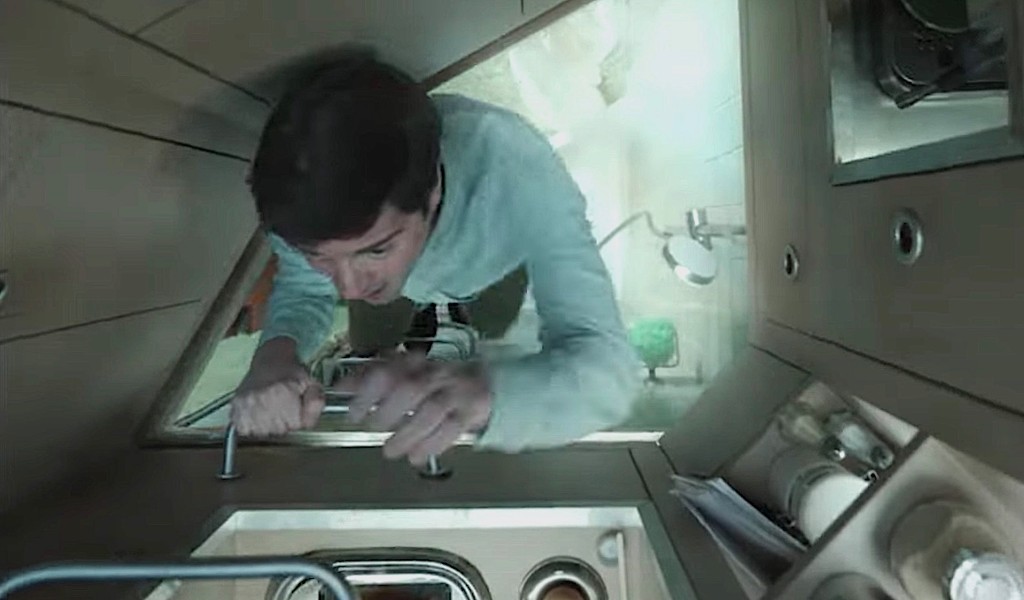
Watch HORNBACH turn a single square metre into an entire campaign, on YouTube →
// Mike Dann, Senior Art Director
By the time I’m buying, I already have a shortlist
Every cold email I receive competes with emails in my inbox that relate to urgent or operationally important matters. Everything outside of that is secondary.
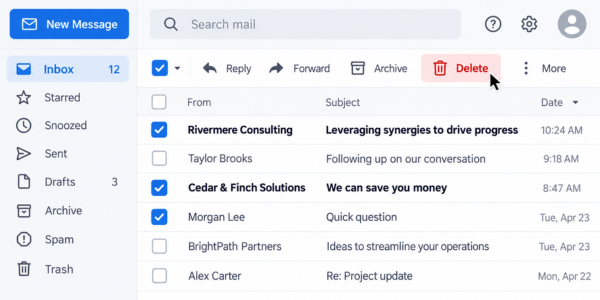
As Bonfire’s Head of Technology, I’m the person software and service salespeople are trying to reach, and I usually see their emails while I’m clearing out my inbox. I’m scheduling what needs attention and deleting what’s been actioned or doesn’t require action, so a cold email gets a few seconds of my attention before I decide which pile it goes in. Most of the time, it’s the delete pile.
Many emails use broad language to explain something complex, like “leveraging synergies to drive progress”. Others lead with “we can save you money”, which is a bold claim from someone who knows little about our costs.
The few emails that hold my attention come across as genuine, humble and open. They’re not too salesy, and they don’t try too hard to sound casual and friendly. They have a level of professionalism.
Even then, a cold email is rarely how we end up choosing a solution. Our decisions usually come from a recommendation from someone in my network, or from a partner we already have a successful relationship with.
By the time we’re looking for a solution, there’s usually already a shortlist. For marketers, the work is getting onto that shortlist well before then.
See how 100 B2B buyers actually find their vendors, in Wynter’s research (PDF) →
// Tom Cammarano, Head of Technology
Feeling the Squeeze
In 2019, our revenue had been trending up for several years. Then COVID arrived, and I was checking revenue daily while Clay [Clay Cook, Executive Chairman at Bonfire] and I worked out how to support clients who were as unsure as we were about what came next.
A squeeze can come from either direction. In 2020 it was revenue. It can just as easily be costs: when the Strait of Hormuz was in the news, energy markets repriced and fuel costs followed. In these situations, you can’t raise prices, because if the competitor down the road holds steady, you lose customers. So you look for things to cut, and marketing is unfortunately in the cost column.
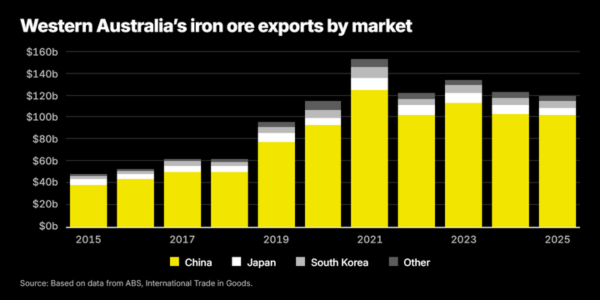
Lately I’ve been thinking about the tension around Taiwan, which is a lot closer to home, literally and figuratively. More than half of what Western Australia exports goes to China by sea, and that tension looks to me like the kind of event that could put us under the same sort of squeeze.
We had no say in what hit us in 2020, or in what ended it — the government putting cash into the economy — but when the next pressure comes, someone in my seat will be asking what expenses can wait. That conversation goes better when marketing has already worked out what it would keep running if the horizon, and budgets, suddenly got a lot shorter.
Read where WA’s $237 billion in exports actually goes (PDF) →
// Kiran Shah, General Manager – Finance
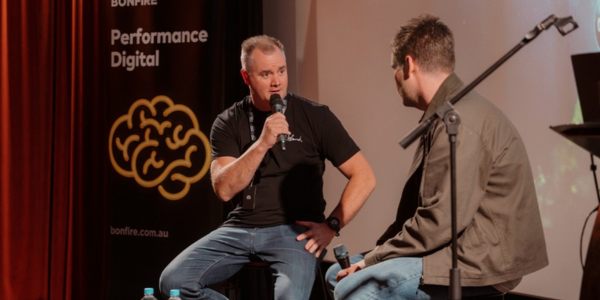
You had to be there
In person builds trust in a way a feed can’t. Freeman’s 2025 Trust Report found 95% of event attendees trust a brand more after an in-person event.
For Bonfire, events are a chance to celebrate our clients, thank them properly and share what we’ve been learning across search, media, creative and data that could help their businesses grow.
At our recent Off Script event, the feedback that stuck with me was about the little things. One guest thanked us for looking after them when they arrived late after their train broke down. Another loved the notepads, pens and stickers (“love a fun sticker”). Guests came for the agenda, but what they talked about afterwards was how we looked after them.
Right now, every brand is racing to get its AI strategy right. I think the brands that define the next decade will be the ones that remember people want to belong, to feel seen and to experience real human connection. Belonging is hard to feel through a screen.
Explore the full findings in Freeman’s 2025 Trust Report →
// Lovisa Jägrell, Brand, Activations & Events Specialist
Bonfire is an award-winning performance marketing agency based in Perth, Western Australia, and Melbourne, Victoria.
Read every issue of the newsletter on LinkedIn.