Four brand and marketing insights from our team, delivered every month.
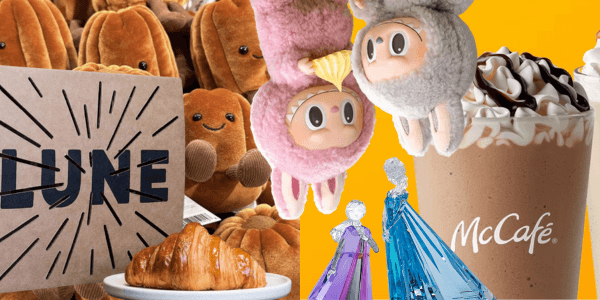
“I deserve a little treat.”
Younger consumers are obsessed with little treats.
Studies show 62% of people consider small indulgences crucial to self-care, and over 40% of Gen Z buy daily treats to cope with stress and to find joy. We see it in fast fashion and collectible toys. Jellycats trended in early 2025, then came Labubus. Everyone wanted one; queues were out the door, and by December, they were forgotten.
Little treat culture is an easy way for brands to tap into hype. Bunnings launched limited-edition Bunnings Bears mystery boxes before Christmas, creating excitement, engagement, and awareness with a new generation of consumers. McDonald’s “You Deserve a Treat” campaign resonates with millennials through frequent, affordable indulgences. Small treats have become big cultural moments.
We might not be able to afford a house, but we will spend on smaller pleasures. Millennials grew up through financial crises, were seemingly locked out of the housing market, and were told that we’re spending too much on avocado toast. In a world where big milestones feel out of reach, little treats have become an essential coping mechanism for the current generation of young consumers.
Get the full scoop with Circana’s stats behind little treats (US Data) →
// Lovisa Jägrell, Marketing Coordinator

When sheepishly asked if it would be okay to put some ads on before his little show, Shakespeare was mortified.
But money won. Advertising nestled itself snugly at the top and tail of movies, TV shows, and magazines—the annoying younger sibling of “Real Art”. In 2026, the sibling has taken over the house. Advertising is now the main event.
We scroll like digital masochists, wading through twenty-two ads just to find a single update from a friend—only to realise the ads are actually more interesting. We’ve reached a tipping point where we’re just scrolling a continuous reel of commercials: a dystopian nightmare for some, a fever dream for others.
It’s absurd: we wake up, grab a “pocket-computer,” and beam commercial messaging directly into our retinas for fifteen minutes over coffee. It would make a 1950s media buyer’s brain explode. But this is the reality. The ad is no longer the intermission; it is the event.
So what do you have to do now? What’s the great change you need to make? Nothing. It’s business as usual. You just have to have a better ad than the people around you.
// Luke Williams, Creative Director
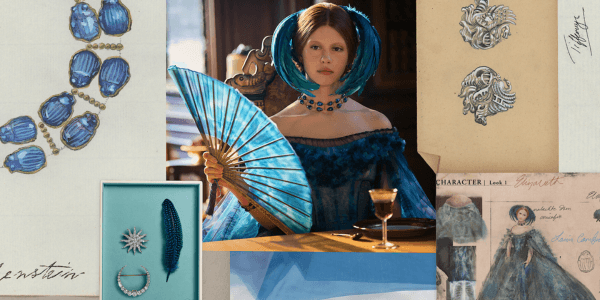
From Tiffany Archives to the Screen: The Jewellery of Frankenstein
In a world of AI-generated creative, cinema continues to captivate; not just as entertainment, but as culture.
Brands are recognising the enduring power of the silver screen, returning to a place where craftsmanship, storytelling and emotion provide an outlet for brand positioning and guaranteed engagement.
In 2025’s Frankenstein, Tiffany & Co returned to the cinematic world, transforming their jewellery into a vessel for storytelling. Under the guidance of Christopher Young, Vice President of the Tiffany Archives, the films’ characters are adorned with century-old pieces that echo the tale’s 19th-century origins.
The glass beetle necklace worn by the character Elisabeth dates back to 1900, and offers a subtle reflection of her delicate and insectile nature. It provides a story within a story: just like Frankenstein and Tiffany & Co’s enduring philosophy, beauty is found in the details.
Cinema has become more than an ad placement opportunity; it’s also a narrative space. A chance to be associated with a visual cue; a character, an emotion, a story, rather than just trend cycles or campaigns. Tiffany & Co.’s role feels less like sponsorship and more like authorship, suggesting a future where brands may fold into art.
See Tiffany & Co’s Frankenstein-themed window displays in New York →
// Kira Daamen, Performance Media Specialist

The Case for Culture Add Over Culture Fit
In bygone eras, ping pong tables and catchy slogans were the headliners for corporate culture. They were shorthand for “we’re a great place to work”.
Nowadays, when we talk about culture, the focus has rightly shifted back to the people who make up an organisation, and how those people work together.
On the surface, culture fit is often seen as:
- Hiring people who share similar values and working styles
- Building teams that feel harmonious and easy to collaborate with
- Minimising friction by hiring those who “slot in”
While often well intentioned, when culture fit becomes the determinant for hiring, there’s a risk. It’s not guaranteed, but in some cases challenge softens, echo chambers form, and different perspectives are filtered out.
What we should strive for instead is culture add.
Culture add looks like:
- Shared values
- Respectful challenge rather than automatic agreement
- New ways of thinking that strengthen and expand the culture
- Complementing what already exists instead of duplicating it
Get the foundation for culture add right by getting clear on your values. These should be your north star when hiring, and will guide the questions you ask a candidate and give yourself a chance to challenge your own biases. When your values are clear, hiring for culture add rather than culture fit really becomes a powerful tool for a high-performing, aligned teams.
Read McKinsey’s report on how culture add and diversity improve performance→
// Nicola Sonnenberg, People & Culture Lead
Bonfire is an award-winning performance marketing agency based in Subiaco, Western Australia.