Four brand and marketing insights from our team, delivered every month.

How Rosalía’s album launch experience made Lux a huge success
“Yo me transformo.”
On the opening track of her last album, Motomami, Rosalía’s lyrics translate to “I transform myself”.
And that she most certainly does with the release of her fourth studio album Lux (Latin for ‘light). It’s a stark contrast from her previous work, and an orchestral feast for the ears. With the launch of her new album came a stunningly creative, experiential approach to music marketing.
Cryptic Substack entries, heavy religious symbolism, a massive digital billboard in Times Square. Plus, let’s not forget a live-streamed event where fans flocked to Callao Square in Madrid, jamming the city streets to see Rosalía herself present the cover of her new album.
It all culminated in my favourite moment of the entire rollout: on November 5th, Rosalía gathered nearly 900 guests for an album listening party inside the National Art Museum of Catalonia. She lay on a gigantic bed of white in the Oval Room (pictured above) for the entire duration of the album’s playback.
Lux amassed a massive 42.1 million streams on its first day, doubling her previous album’s performance. It is now the most-streamed album in a single day by a Spanish-speaking female artist, setting a new Spotify record in the process. The launch of Lux just goes to show that perhaps the experience of the album launch is almost as important as the album itself.
Watch hundreds of Rosalía fans cram into Callao Square →
// Ivana Erceg, Senior Content Specialist

Marketers get bored of their work long before their audiences even clock it
Mark Ritson said it best in his latest The Drum column, unpacking British Airways’ Reflections campaign and the impatience that runs deep in our industry. The truth is, most people barely register a campaign until it’s been in market for 18 months or more.
As marketers, we spend eight hours a day staring at the same creative, the same headlines, the same performance data. And it’s easy to mistake our own fatigue for audience fatigue.
The same goes for content. I often catch myself resisting repetition on social, when in reality, most of Bonfire’s audience hasn’t even had a chance to see the original post yet.
Patience is the real differentiator. Staying the course builds recognition, recall and trust. The brands (and marketers) who embrace that rhythm tend to be the ones still standing when the dust settles.
See images from Reflections and read Ritson’s thoughts over at The Drum →
// Rob Di Giovanni, Marketing Manager
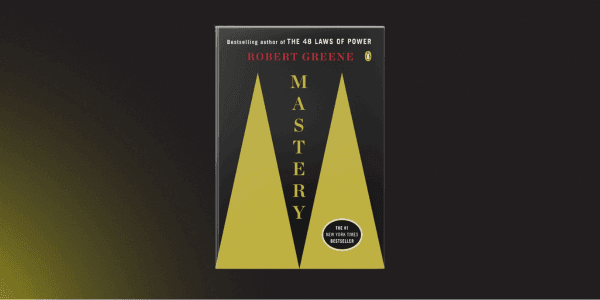
Robert Greene’s Mastery & modern trust signals in digital marketing
Robert Greene’s Mastery argues that real authority comes from doing work so deeply and repeatedly that it becomes unmistakably part of who you are.
That idea feels especially relevant in digital marketing today, as AI-driven search reshapes how brands are discovered and evaluated.
Mastery is no longer just something your audience can feel; it’s something search engine algorithms can—and will—verify. Modern ranking signals reward brands that demonstrate Experience, Expertise, Authority and Trustworthiness. Clear explanations of how you provide solutions, the transparency of your processes, and the provision of industry-specific insights all contribute to stronger credibility signals for both users and algorithms alike.
The same principles apply to social proof. Reviews and testimonials are crucial proof points that validate your business’ expertise and competence. Together with high-quality and relevant content, reviews create a trust ecosystem: your brand shows how it creates value, and your customers verify that it actually does.
Greene framed mastery as the path to authority; today, AI has made it a path to discoverability as well. Showing your expertise isn’t optional – it’s how your brand earns trust, rises above the noise, and stays visible in a changing search landscape.
Purchase Mastery from an independent bookstore near you →
// Samuel Marshall, Digital Account Executive
The death of the hard sell
When I joined Bonfire, something unexpected happened.
Perth businesses I’d been trying to connect with for months suddenly wanted to meet for coffee. Not because I pitched them, but because they were genuinely curious.
“What’s Bonfire doing differently?”
“Heard you’re working with a new digital agency now.”
Not sales meetings. Just conversations.
Perth’s business landscape is tight-knit. In sectors like mining services, construction, and hospitality (industries traditionally sceptical of digital marketing), reputation travels faster than any cold email. The clients who’ve engaged us didn’t need a PowerPoint parade or aggressive follow-ups. They’d observed our work with their competitors, heard results through their networks, and reached out when their pain points became urgent.
The “Always Be Closing” playbook is toxic in a city where everyone’s two degrees separated. Aggressive LinkedIn DMs get mentioned at the next CCIWA event. Pushy follow-up sequences get screenshotted and shared.
We’ve grown our business by being useful without expecting anything in return. Sharing insights at events. Offering quick feedback when asked. Celebrating client wins publicly.
When businesses are ready to invest in growth, they call the people they already trust, not the ones who hounded them.
Read the Harvard Business Review’s selling research (account required) →
// Nicholas Willitts, Business Development Manager
Bonfire is an award-winning performance marketing agency based in Subiaco, Western Australia.