
Both of our home cities are in a housing downturn. Perth dwelling values are 6.0% below their April peak, and Melbourne's sit 7.5% below their 2022 record (Cotality). Perth houses took a median 23 days to sell in August, up from 11 a year earlier (REIWA). In Melbourne, fewer than half the homes taken to auction in mid-October sold (Cotality).
New home sales fell 17.5% nationally in the September quarter, and the Housing Industry Association (HIA) reports that "display village visits, enquiries, leads and conversions remain very weak" (HIA).
The choices builders make about their marketing over the next 12 months will decide how full their pipeline is when buyers come back.
Download the downturn marketing checklist
Buyers have paused, not left
The Reserve Bank lifted the cash rate to 4.6% in September, its fourth rise this year, and Cotality estimates the four rises have cut the average buyer's borrowing capacity by almost $90,000 (ABC News). The May Budget's negative gearing changes have pushed investors out of established homes, and REIWA says many first home buyers are "sitting on the sidelines, hoping prices will fall further" (REIWA).
The demand underneath is still there, because both states keep adding people and both are still short of homes. HIA put Victoria's slide in new home sales down to "a loss of confidence rather than a deterioration in the underlying demand" (HIA). Contract cancellations have climbed from under 10% early this year to 13.6% in September, as lenders withdraw buyers' conditional finance approvals.
But these buyers haven't stopped looking, they've just stopped signing.
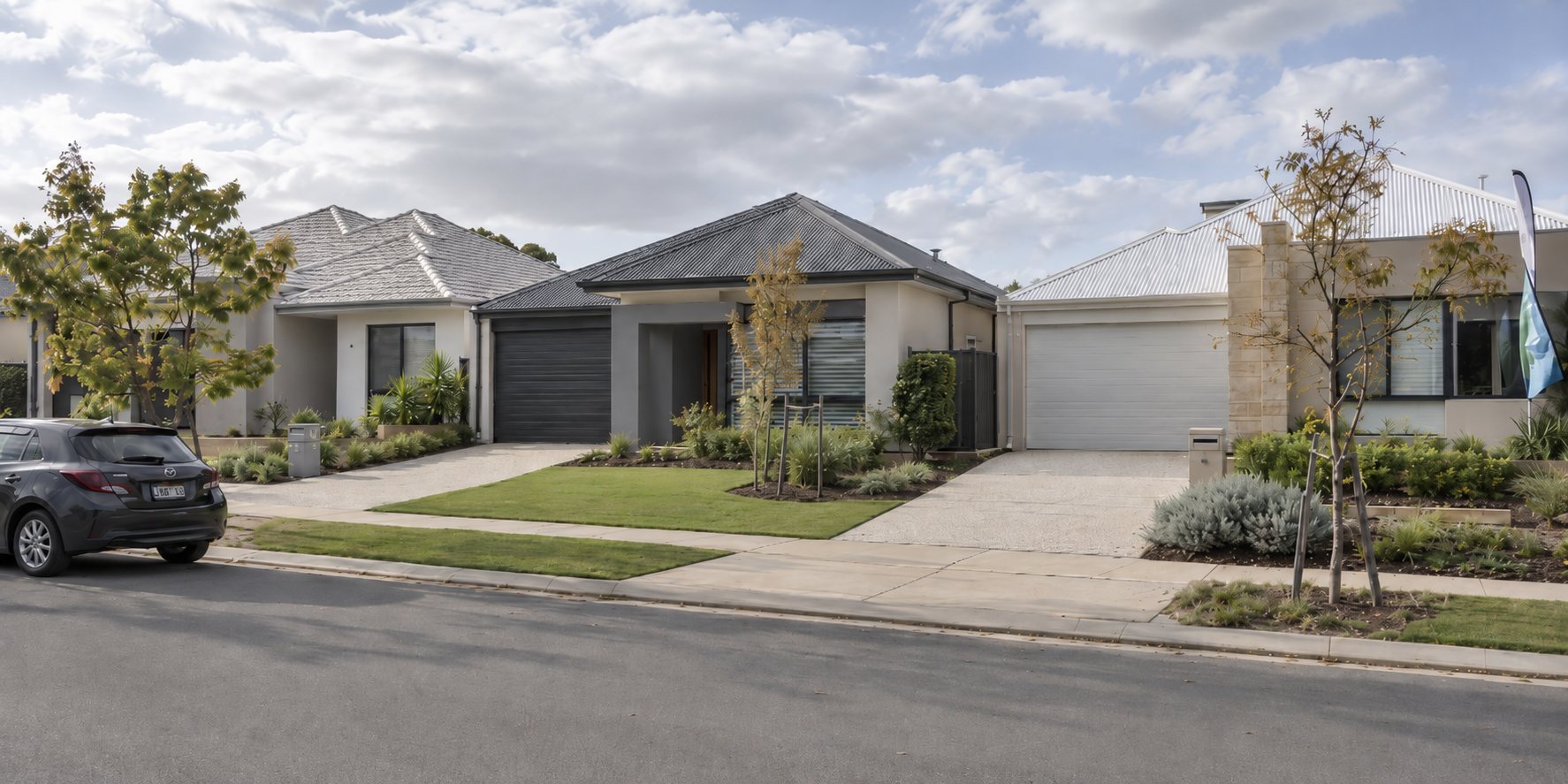
Display village visits are down, but the buyers who stopped visiting are still researching from home.
What we're seeing builders do
When enquiries soften, the first instinct is to protect this month's sales. We've seen builders pull budget out of brand and consideration advertising (the video, display and social ads that keep a name in front of people still deciding) and move it into search ads aimed at people ready to buy now. Among developers, the same instinct looks different: advertising only the lots still on the ground, and switching campaigns off as stock sells.
Both moves make sense for this month's numbers, but both shrink the number of buyers who know you next year, and when every builder crowds into the same ready-to-buy searches, they end up bidding against each other for a smaller group of people. In one account we manage, the cost of a click on core home-builder searches has more than doubled since early 2023, as advertisers across the category put more money into the same searches.
| The downturn instinct | What to do instead |
|---|---|
| Move budget out of video, social and display ads and into search ads for people ready to buy now | Keep a minimum monthly spend on the ads that reach buyers who are still deciding |
| Advertise only the stock that's left | Stay visible to the buyers who'll want your next release |
| Buy more traffic when enquiries drop | Check the offer, the pricing and the follow-up first |
We've seen the bigger gap sit after the click: paid search beating its lead targets while signed contracts stayed flat, clicks holding steady while enquiries halved (we traced that one to the offer and its pricing), and accounts where half the people who filled in a form couldn't be reached by phone.
Pages that answer buyers' questions still earn their place. Suburb and house-and-land pages that show live pricing and lot sizes answer what buyers research before they call, and we've seen Google's AI Mode quote them in its answers.
Market to the cycle, not the quarter
Buyers shortlist long before they visit a display home. Oliver Hume's research across Victoria, Queensland and South Australia found more than 80% of buyers know the area well before they purchase, and around 70% buy after two or fewer estate visits (Oliver Hume). The builders still in front of those buyers while they wait are the ones on the shortlist when confidence returns.
Downturns also outlast a sales quarter. Perth's last one took five years to take 12.8% off the median house price (REIWA). Nobody knows whether this one will run that long, and a budget that only works if buyers return by autumn is a bet on timing.
But these buyers haven't stopped looking, they've just stopped signing.
How far to hold your nerve depends on where you sit. A volume builder with a sales team to feed can't stop its ready-to-buy search ads, and a developer with three lots left shouldn't fund a brand campaign, but everyone between those two should set a minimum monthly spend on the video, social and display ads that reach people who aren't ready to buy yet, and stick to it.
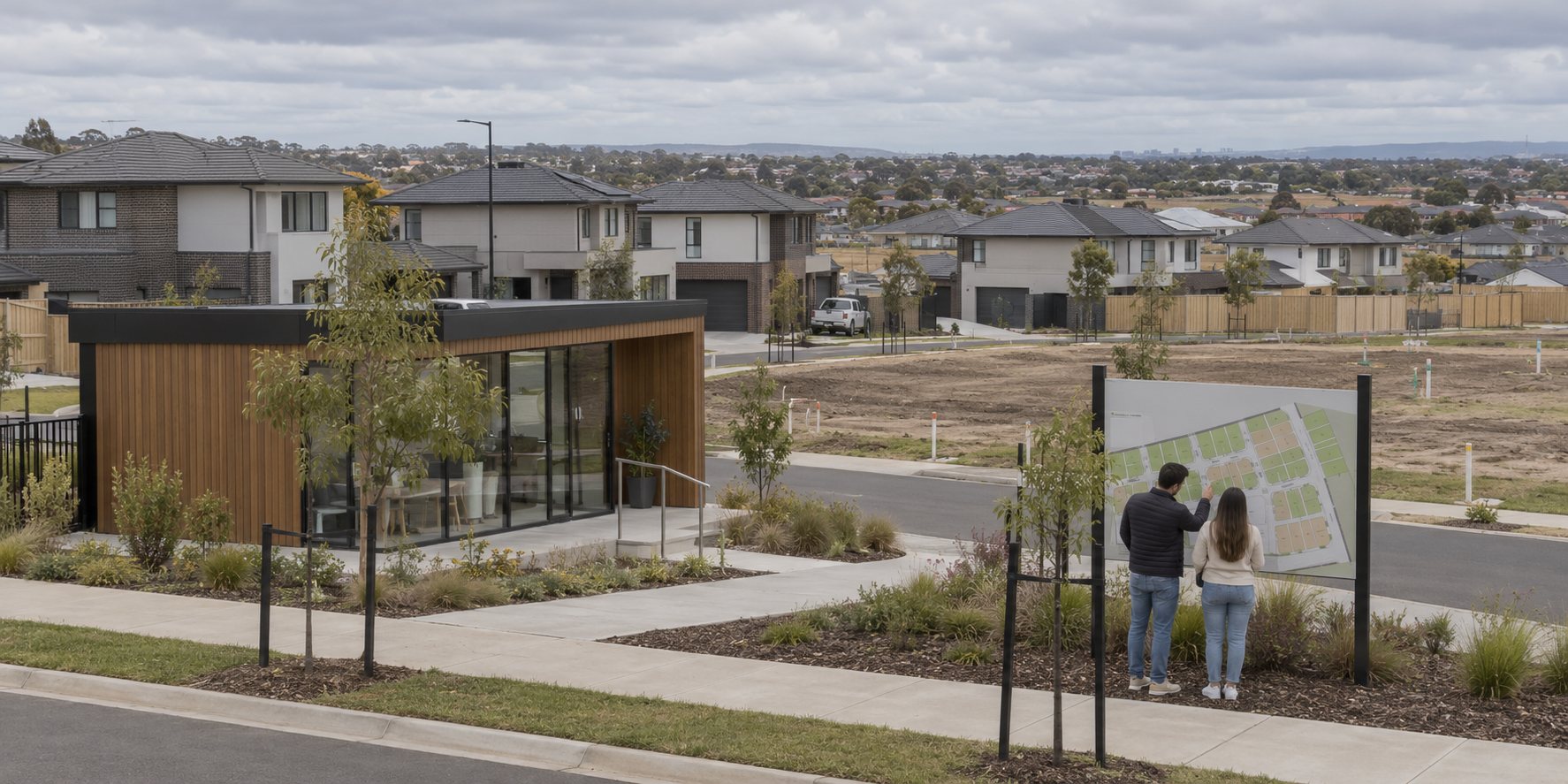
Buyers shortlist builders long before they visit a sales office, so staying visible now decides next year's enquiries.
What to do next
- Set your budget by interest rates, not this month's leads. A rate cut, or a clear signal that rises have finished, is the moment to lift spend. Waiting until enquiries recover means buying back in at the same time as every other builder.
- Fix what happens after the enquiry before you pay for more enquiries. Check that pricing is clear on every page an ad sends people to, that the offer suits a buyer worried about finance, and that someone calls new enquiries back while they're still interested.
- Set a minimum monthly spend on video, social and display ads, and stick to it. Write the amount down and agree it with your marketing team or agency now, so it doesn't get cut the first time enquiries have a slow month.
- Talk to investors about new builds. The May Budget announced limits on negative gearing for established homes bought after budget night, starting July 2027, with eligible new builds exempt (Equity Trustees). REIWA says builders haven't yet seen investors switch to new builds. Have your accountant check your ad wording, so it describes the tax changes accurately.
The buyers your sales team will be talking to next year are researching right now, and the builders they'll call are the ones they keep seeing while they wait.
